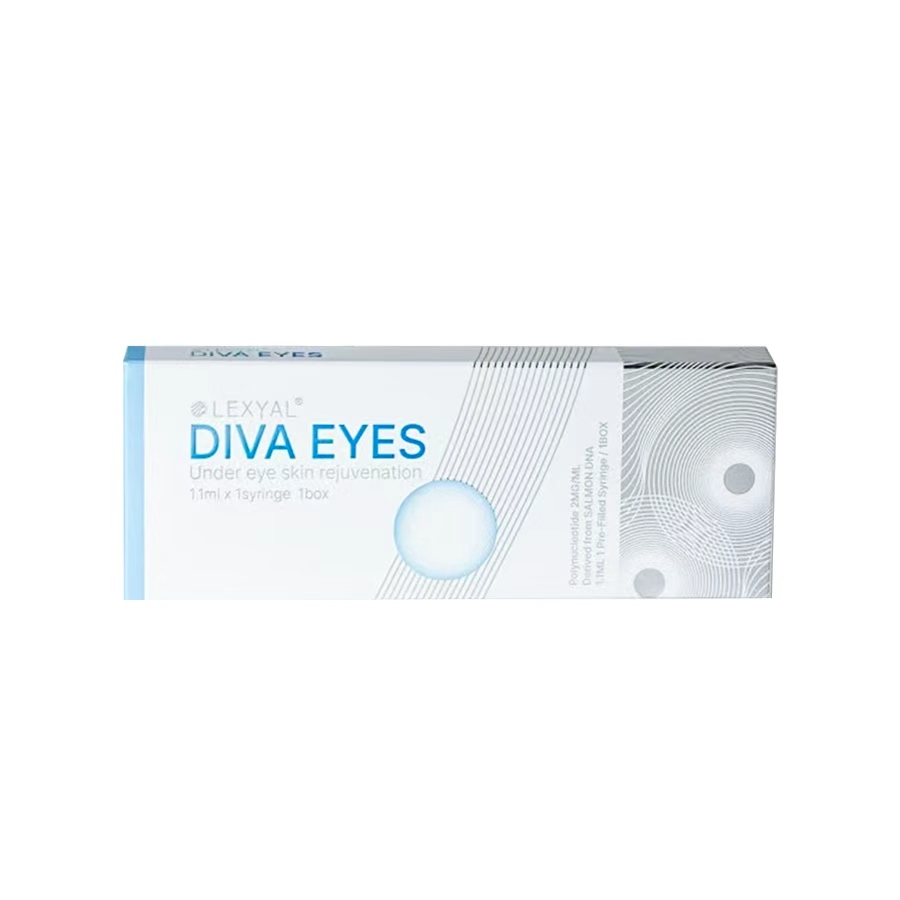
DIVA EYE PN 2mg*1.1ml
$ 27.72
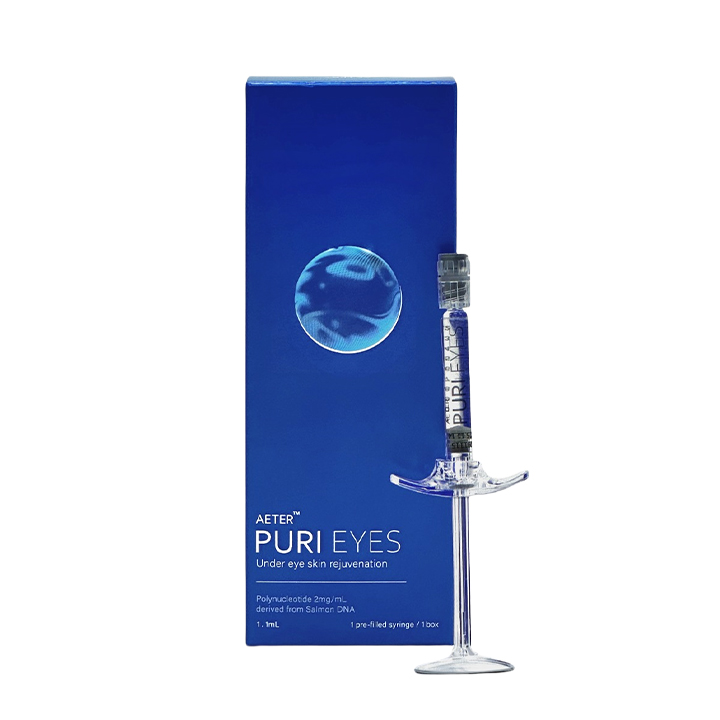
DIVA EYE PN 2mg×1.1ml Polynucleotide (Periocular) · Salmon-derived PN (>95% human gene homology) Quick Answer DIVA EYE PN is a Lexyal Korean specialist polynucleotide formulation for the periorbital area, supplied as a 1.1 mL syringe containing 2 mg of salmon-derived PN. Polynucleotides are long-chain DNA fragments with >95% homology to human DNA, MFDS-approved for skin regeneration. Standard course is three sessions 2–4 weeks apart, targeting periocular fine lines, dark circles, and early lower-lid laxity. Last Reviewed May 19, 2026 Manufacturer specification cross-verified Treatment Protocol 3 sessions, 2–4 weeks apart. Monthly maintenance through the initial year. Why This Skinbooster Is Different DIVA EYE PN is specifically optimized for the periorbital area — concentration, viscosity, and syringe volume are calibrated for ultrafine intradermal microinjection in this delicate anatomy. The pairing with DIVA FACE PN (40 mg in 2 mL) is intentional: two formulations, two anatomies. PN >95% human gene homology underlies the safety profile. Mechanism of Action Periocular polynucleotide (fibroblast activation, ECM restoration). Long-chain salmon DNA fragments (PN) deliver sustained fibroblast signalling. The 250–800 kDa MW range is optimal for fibroblast receptor engagement and dermal residence. In the periocular anatomy, where skin is thinnest, PN restores quality without correcting volume — the appropriate intervention for tissue quality rather than structural deficit. Specifications Product Name DIVA EYE PN 2mg×1.1ml Category Polynucleotide (Periocular) Active Ingredients Medical-grade Polynucleotide (PN) — salmon DNA-derived, >95% gene homology with human DNA Mechanism Class Periocular polynucleotide (fibroblast activation, ECM restoration) Manufacturer Lexyal (Korea) Origin South Korea Pack 1 × 1.1 mL pre-filled syringe (2 mg PN total) Lidocaine Not included Injection Technique Periorbital microinjection (0.05–0.1 mL per point along orbital rim), microdroplet technique for crow's feet, fanning for infraorbital hollows. Use ultrafine 30–32G needle. Injection Depth Intradermal — superficial Recommended Needle 30–32G ultrafine; periorbital microinjection Treatment Protocol 3 sessions, 2–4 weeks apart. Monthly maintenance through the initial year. Effect Duration Cumulative through the course; benefit observed from week 4, sustained through 6 months Storage 2–8 °C cold-chain. Protect from light. Single-use; discard unused portion. Shelf Life 24 months unopened, refrigerated Regulatory MFDS-approved (Korean Ministry of Food and Drug Safety) salmon-derived polynucleotide. Verify CE status of the specific batch for EU jurisdictions. SKU FF-SB-DIVA-EYE-PN Clinical Indications Periorbital fine lines and crow's feet Dark circles (pigmented and structural components) Tear trough textural improvement (not volume correction) Lower eyelid skin laxity (early stage) Compare Within Skinbooster Category ← swipe horizontally to view full table → Product Active(s) Mechanism Protocol Duration DIVA EYE PN 2mg×1.1ml Salmon-derived PN (>95% human gene homology) Periocular polynucleotide (fibroblast activation, ECM restoration) 3 sessions, 2–4 weeks apart. Monthly maintenance through the initial year. Cumulative through the course; benefit observed from week 4, sustained through 6 months DIVA FACE PN 40mg×2ml Salmon PN 40 mg/2 mL (MW 250–800 kDa) Full-face polynucleotide (fibroblast activation, ECM restoration) 3 sessions at 4-week intervals. Maintenance every 4–6 months. Visible improvement from 8–12 weeks; full-face benefit sustained 6 months @media(max-width:640px){.swipe-hint{display:block !important}} Frequently Asked Questions What is the difference between DIVA EYE PN and DIVA FACE PN? Both are Lexyal salmon-derived PN products. DIVA EYE PN (2 mg/1.1 mL) is calibrated for the delicate periorbital area — lower concentration, smaller volume, ultrafine injection technique. DIVA FACE PN (40 mg/2 mL) is the higher-concentration full-face formulation with a denser viscosity. The two are designed to be used together in protocols treating face eyes. How is PN different from PDRN? Both are DNA-derived nucleotide fragments from salmon DNA. PN (Polynucleotide) is the longer-chain form — higher molecular weight, sustained tissue residence, stronger long-term fibroblast signalling. PDRN (Polydeoxyribonucleotide) is the shorter-chain form — faster absorption, broader topical applicability. For collagen scaffold restoration, PN is generally preferred. Why is PN appropriate for the eye area specifically? The periorbital skin is among the thinnest on the body, with limited fibroblast density and minimal subcutaneous support. PN's mechanism — direct fibroblast activation without bulk volume addition — is well suited to this anatomy where HA filler placement risks irregularity. PN restores skin quality without correcting volume. How is it injected around the eyes? Multiple techniques are used: microdroplet placement along the orbital rim (10–12 points per eye, 0.05 mL each), linear threading for crow's feet (3–4 lines per quadrant), or fanning at the lateral canthus (0.05 mL aliquots at 45° angle). Ultrafine 30–32G needles are essential. Maximum 1.1 mL per session — i.e. the whole syringe. Does it work on dark circles? Dark circles have multiple components: pigmented (skin), vascular (visible vessels), and structural (hollow). PN addresses the skin-quality component — thinning, pigmentation from laxity, and barrier function. Vascular and structural components require additional interventions (vascular lasers, HA filler in tear trough). PN is one part of a comprehensive eye area plan. How many sessions for visible improvement? Initial improvement is typically reported from session 2 (around week 4). Full visible benefit appears at 8–12 weeks after the third session. Sustained results typically last 4–6 months, supporting monthly maintenance dosing during the first year of treatment. Can it be combined with botulinum toxin for crow's feet? Yes. PN and botulinum toxin act through entirely different mechanisms — botulinum reduces dynamic wrinkle formation by relaxing the orbicularis oculi muscle; PN improves the skin quality of the overlying tissue. Combination is widely practiced. Inject botulinum first, then PN at least 15–30 minutes later (practitioner discretion). Is it suitable for the tear trough? PN restores tear trough skin quality but does not correct volume. For structural tear trough hollows, HA filler is the appropriate tool. PN is sometimes layered as an adjunct to HA tear trough correction to improve overall skin texture in the area. Patient selection is critical. Are there contraindications specific to the eye area? Standard injectable contraindications apply: active infection (including conjunctivitis), hypersensitivity, severe coagulopathy. Pregnancy and lactation are precautionary contraindications. Patients on topical ocular medications or with severe dry eye should be evaluated case-by-case. Does it require cold-chain shipping? Yes. DIVA EYE PN should be maintained at 2–8 °C in transit and storage. Confirm refrigerated condition on receipt of each delivery. Brief temperature excursions are generally tolerated; prolonged warm exposure compromises PN integrity. Source verification: → Korean MFDS (regulatory authority) Related Skin Boosters Recell PDRN 3ml×5PDRN SkinboosterSodium DNA (Salmon PDRN)DIVA FACE PN 40mg×2mlPolynucleotide (Full Face)Salmon PN 40 mg/2 mL (MW 250–800 kDa)Profhilo 2mlHA Bioremodeler64 mg HA NAHYCO® HybridRestylane Skinboosters Vital Lidocaine 1mlHA Skinbooster20 mg/mL NASHA HA 0.3% Lidocaine → Browse all Skin Booster products Regulatory Notice. MFDS-approved (Korean Ministry of Food and Drug Safety) salmon-derived polynucleotide. Verify CE status of the specific batch for EU jurisdictions. This product is manufactured outside the United States; FDA approval status is product-specific. For licensed healthcare professionals only. Practitioners are responsible for verifying regulatory status of this product in their jurisdiction before clinical use. Not for retail sale. Pricing subject to change.